Indonesia’s Economy The Country Ready to Major?
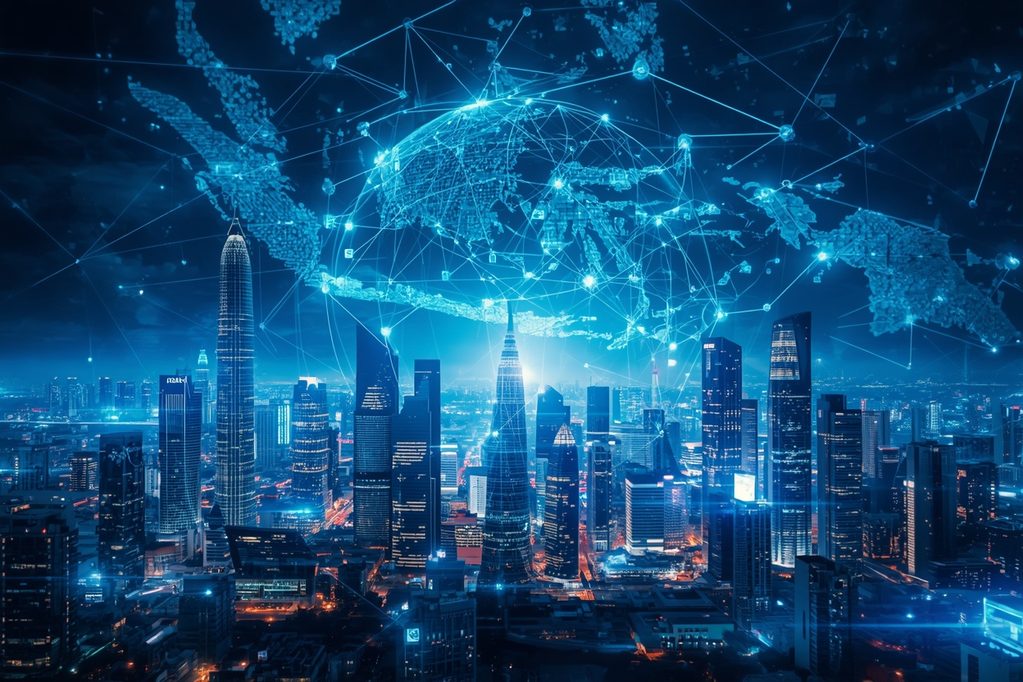
The digital world is moving crazy fast, and Southeast Asia is becoming one of the hottest markets for tech and business. From online shopping and digital payments to AI-powered services, everything is getting more connected. But here’s the big question: Is Indonesia ready to take the spotlight and become a major player in Southeast Asia’s digital economy in 2026?
Honestly, the potential is massive. But turning that potential into real dominance is a whole different game.
A Huge Market with Endless Opportunities
Indonesia has some serious advantages. With a massive population, a growing internet community, and millions of people using digital platforms every day, the country has become an exciting playground for digital businesses.
E-commerce, fintech, online transportation, food delivery, and digital entertainment are changing how Indonesians live and spend their money.
According to the latest e-Conomy SEA 2026 report by Google, Temasek, and Bain & Company, Southeast Asia’s digital economy is projected to reach US$368 billion in gross merchandise value (GMV) in 2026, growing 17% year-on-year. AI is also becoming a major growth engine across the region.
That’s a pretty big opportunity for Indonesia to strengthen its position in the regional market.

AI Is Changing the Game
Artificial intelligence is no longer just some futuristic technology we see in sci-fi movies. It’s already becoming part of everyday business.
Indonesian companies can use AI to improve customer service, analyze consumer behavior, automate operations, and create smarter digital products.
For startups and small businesses, this could be a game-changer. They don’t always need massive budgets to compete if they know how to use technology strategically.
However, adopting AI is not just about following trends. Businesses also need skilled workers, reliable infrastructure, and proper data protection to make it work.
The Challenges Are Still Real
Let’s be real: Indonesia still has some serious homework to do.
Internet access and digital infrastructure are not equally distributed across the country. While major cities enjoy better connectivity, some remote areas still struggle with reliable internet access.
Another challenge is digital literacy. Not everyone has the skills or knowledge to use digital technology safely and productively.
Cybersecurity is also a big deal. As more financial transactions and personal activities move online, protecting users from scams, data breaches, and cybercrime becomes increasingly important.
Without addressing these issues, digital growth could leave too many people behind.
What Needs to Happen Next?
If Indonesia wants to compete at the highest level, several things need serious attention:
- Better infrastructure: Expand affordable, reliable internet access across the country.
- Stronger digital skills: Invest in education, training, and technology talent.
- Support local startups: Give innovative businesses better access to funding and opportunities.
- Improve cybersecurity: Build stronger protection for consumers and businesses.
- Empower MSMEs: Help small businesses adopt digital payments, e-commerce, and AI tools.
The goal should be simple: create a digital ecosystem where everyone gets a fair chance to grow.
Big Potential, Bigger Responsibility
So, is Indonesia ready to become a major player in Southeast Asia’s digital economy in 2026?
The answer is promising, but there’s still work to be done.
Indonesia already has the market size, consumer demand, and entrepreneurial energy to compete. What matters now is how effectively the country turns those advantages into innovation, productivity, and long-term growth.
The digital race is getting tougher, and simply being a big market isn’t enough anymore.
Indonesia doesn’t just need to join the digital revolution. It’s time to help lead it.